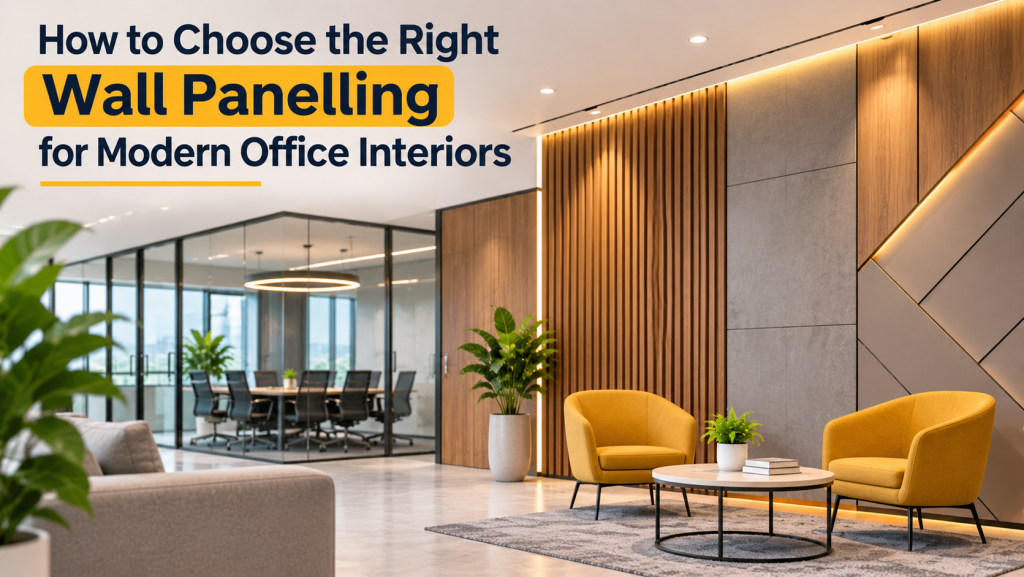
Walls are often treated as background elements when planning a workplace, but they have a significant influence on how the space looks and feels. The right wall finish can make a reception area more welcoming, give meeting rooms a refined appearance and add character to otherwise simple work areas.
Wall panelling offers several ways to achieve this, with different materials, textures and finishes available to suit various requirements. However, choosing the right option involves more than picking an attractive design. Businesses should consider where the panels will be installed, how frequently the area is used and how much maintenance the material requires.
What Do You Want Your Office Walls to Communicate?
Before selecting a material, think about the impression you want the workplace to create. A corporate reception may require a sophisticated appearance, while a collaborative area could benefit from a more relaxed and creative atmosphere.
Wall finishes can also reflect a company’s visual identity through colours, textures and carefully selected design elements. For instance, natural wood patterns can introduce warmth, while clean, minimal finishes create a more understated appearance.
Having a clear design direction from the beginning makes it easier to select materials that complement the rest of the workplace rather than choosing individual finishes without considering the overall look.
Exploring the Wall Panelling Options Available
Different materials offer different visual and practical advantages. Understanding these differences can help narrow down the choices.
- Wooden panels: Suitable for creating a warm and sophisticated appearance, particularly in reception areas and private cabins.
- Laminate panels: Available in various colours, patterns and textures, making them a versatile option for different spaces.
- PVC panels: Lightweight and useful in applications where moisture resistance is an important consideration.
- Fabric panels: Often preferred for meeting and discussion rooms where sound absorption can improve acoustic comfort.
Each material has its own installation and maintenance requirements. The best choice depends on the intended application, available budget and expected usage.
Where Should Decorative Wall Panels Be Used?
Not every wall needs decorative treatment. Using panels selectively can create a stronger visual impact while keeping the overall design balanced.
Reception backgrounds are suitable locations for distinctive finishes because they form an important part of the visitor experience. Meeting rooms can incorporate textured or fabric-based panels to improve the appearance and acoustic environment. Director cabins may benefit from subtle wood finishes, while common areas can use feature panels to introduce visual interest.
When planning these spaces, Chennai Office Interior decorators can help identify suitable materials and applications based on the available layout, functional requirements and overall design direction.
Choosing Finishes That Can Handle Everyday Use
A material that looks attractive in a sample may not always perform well after installation. Workplaces experience regular movement, cleaning and occasional contact with furniture, making durability an important consideration.
For frequently used areas, look for finishes that offer good scratch resistance and are easy to clean. Moisture exposure should also be considered when selecting materials for specific locations.
Businesses should understand the cleaning products and maintenance methods recommended for each material. A finish that requires specialised care may not be practical for a busy workplace. Considering these details early can help avoid frequent repairs and replacement expenses.
Creating the Right Look with Colours and Textures
The visual impact of wall panelling depends on how colours, patterns and textures work together. Light shades can make compact spaces feel more open, while deeper tones can introduce contrast and definition.
Wood grains, subtle grooves and textured surfaces can add depth without making the walls look overly decorative. Feature walls are another useful option, particularly when businesses want to highlight reception areas or selected meeting spaces.
Lighting should also be considered when finalising finishes. The same material may appear different under natural light and artificial lighting. Reviewing physical samples in the actual space can help avoid unexpected colour variations after installation.
Common Wall Panelling Mistakes Businesses Should Avoid
One common mistake is selecting materials based entirely on appearance without considering their suitability for the location. Delicate finishes may not be appropriate for corridors or other high-traffic areas.
Another issue is using too many contrasting colours and patterns. Although individual finishes may look attractive, combining several styles without a consistent direction can make the workplace feel visually cluttered.
Businesses should also avoid overlooking electrical switches, wiring access and existing fixtures. These practical details need to be addressed before installation to prevent unnecessary modifications later.
What to Check Before Finalising the Installation
Once the material and design have been selected, proper preparation is essential. Accurate measurements and an assessment of existing wall conditions help determine the installation requirements.
Review material samples, confirm the total project cost and understand the expected installation timeline. It is also important to coordinate the work with other activities such as electrical adjustments, furniture placement and painting.
For operational workplaces, scheduling installation in stages can help minimise disruption to employees and daily business activities.
Conclusion
The right wall panelling can add character, improve the overall appearance and support the practical needs of a workplace. By considering material suitability, durability, maintenance and visual consistency, businesses can make choices that remain useful and attractive over time.
With experience in planning and executing professional commercial spaces, Ensileta provides interior design and turnkey execution solutions tailored to business requirements. A thoughtful approach to material selection and installation helps create workspaces where every design element serves a clear purpose.