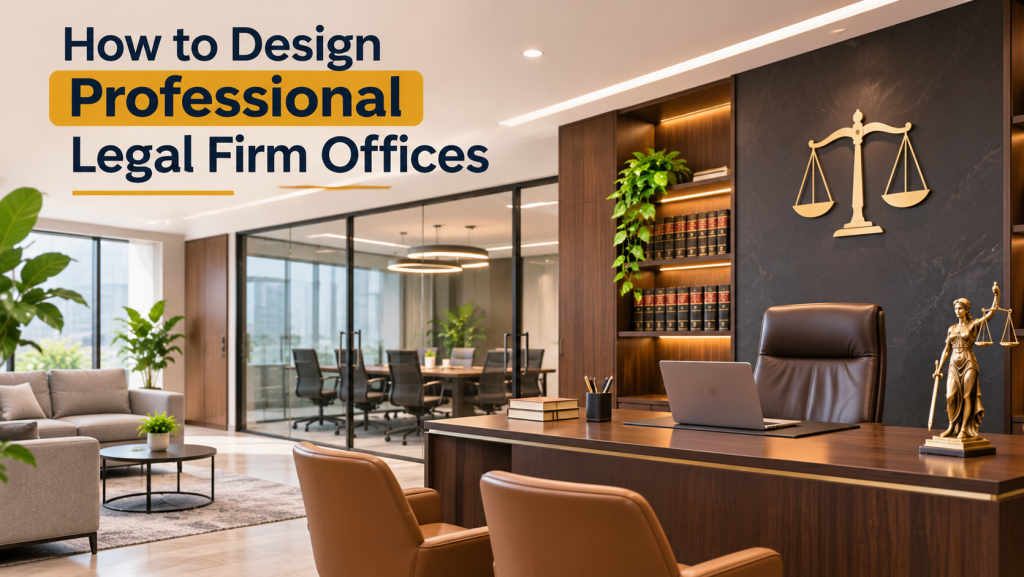
A law firm’s office is often the first place where clients form an impression of its professionalism and credibility. Whether someone visits for a consultation, a legal discussion or an important business matter, the workplace should make them feel comfortable and confident. At the same time, lawyers and their teams need an organised environment where they can manage documents, conduct confidential conversations and handle their daily responsibilities efficiently.
Designing a professional legal workplace requires careful attention to privacy, functionality and appearance. Every area should serve a clear purpose while maintaining an atmosphere that reflects the firm’s values and standards.
First Impressions Begin at the Reception
The reception area sets the tone for the entire workplace. Clients visiting a law firm may already be dealing with stressful or sensitive situations, so the waiting environment should feel welcoming and well organised.
A professionally designed reception desk, comfortable visitor seating and appropriate lighting can create a positive first impression. Neutral colours, quality finishes and subtle design elements help establish a refined atmosphere without making the space look overly decorative.
It is also important to provide sufficient seating and maintain a clear entrance pathway. A clutter-free waiting area allows visitors to feel more at ease while they wait for their appointments.
Privacy Should Shape the Meeting Room Design
Confidentiality is a fundamental requirement in legal practice. Client consultations, case discussions and negotiations often involve sensitive information that should not be overheard by others.
Meeting rooms should therefore be positioned away from busy workstations and common circulation areas wherever possible. Sound-insulated partitions, acoustic ceiling materials and properly sealed doors can help minimise sound transmission.
The furniture arrangement also matters. Comfortable chairs, suitable table sizes and well-positioned lighting make extended discussions more convenient. For meetings involving clients in different locations, screens and video conferencing facilities can also be incorporated without compromising the room’s professional appearance.
Work Areas That Support Focus and Organisation
Lawyers, associates and administrative staff handle different responsibilities throughout the day. Their work areas should be planned around these requirements rather than following a uniform desk arrangement.
Individual workstations need enough room for computers, reference materials and everyday tasks. Ergonomic chairs, suitable desk heights and adequate lighting help create a comfortable working environment, particularly for professionals who spend long hours reviewing documents.
For businesses planning a new legal workplace, Office Interior decorators in chennai can help develop layouts that make efficient use of available space while accommodating the practical requirements of legal professionals.
A well-organised arrangement should also allow employees to move between departments and meeting areas without unnecessary interruptions.
Keeping Important Documents Secure and Accessible
Legal firms regularly handle contracts, case files, client records and other important paperwork. Without proper storage planning, these materials can quickly occupy valuable desk space and make the workplace difficult to manage.
Built-in cabinets, lockable storage units and dedicated filing sections help keep physical records organised. Storage should be positioned conveniently for authorised employees while restricting access to confidential documents.
Digital infrastructure also needs consideration. Providing suitable provisions for secure computer systems, networking equipment and backup facilities helps support the firm’s document management processes.
The objective is to maintain an organised workplace where essential information can be accessed by the right people without compromising confidentiality.
Materials, Colors and Lighting That Reflect Professionalism
The visual character of a legal workplace should communicate reliability and professionalism. This does not necessarily mean using expensive materials or elaborate decorative features. A consistent combination of finishes, colours and lighting can create a sophisticated environment.
Wood finishes, glass partitions and neutral colour palettes are commonly suitable choices for creating a balanced appearance. These materials can be used across reception areas, meeting rooms and workstations to maintain visual consistency.
Lighting should also be planned according to how each space is used. Natural light can make common areas more inviting, while appropriate task lighting helps employees review documents and work comfortably. Avoiding excessive glare is particularly important in areas where computer screens are used throughout the day.
Planning for Future Changes in the Firm
As a legal practice grows, its workplace requirements may change. Additional lawyers, new departments and increased client appointments can place pressure on the existing layout.
Planning for future needs can make these changes easier to manage. Adaptable workstations, flexible meeting spaces and sufficient storage provisions allow the workplace to accommodate new requirements without major modifications.
Adequate circulation space and well-planned electrical and data connections should also be considered during the initial design process. These details may seem minor at first, but they can make a significant difference as the firm expands.
Conclusion
A professional legal workplace should bring together client comfort, confidentiality, organised storage and functional work areas. When each space is planned around the actual needs of the firm, the result is an environment that supports both daily operations and long-term growth.
With experience in designing and executing functional commercial workspaces, Ensileta provides professional design and turnkey solutions tailored to business requirements. A thoughtfully planned workplace can strengthen a firm’s professional image while giving its team a more organised and comfortable environment to work in.