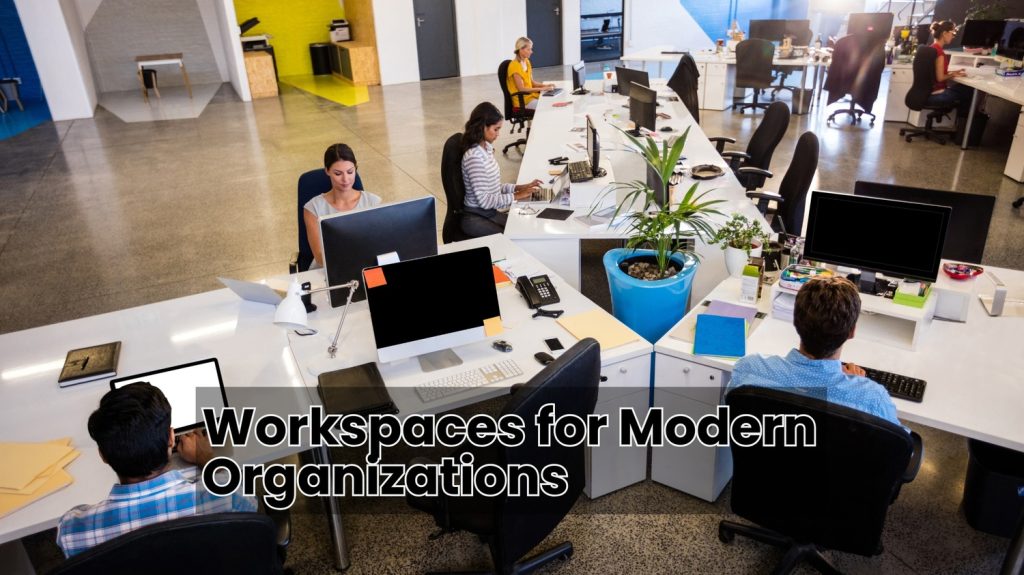
The way organizations operate has changed significantly over the past decade. Businesses are expanding rapidly, teams are becoming more collaborative, and technology continues to reshape how people work. As a result, traditional office layouts with fixed workstations and rigid room allocations are gradually giving way to more adaptable environments that support evolving business needs.
A flexible workspace is no longer viewed as a modern trend but as a strategic investment that allows organizations to respond efficiently to changing priorities. Whether accommodating business growth, encouraging collaboration, or supporting different work styles, adaptable workplaces help organizations remain productive in an increasingly dynamic business landscape.
Creating a flexible workspace requires more than rearranging furniture or introducing open-plan layouts. It involves thoughtful planning, understanding organizational objectives, and designing spaces that can evolve alongside the business.
The Evolution of the Modern Workplace
Business environments today are expected to perform multiple roles beyond simply providing employees with a place to work. Offices have become spaces where innovation is encouraged, teams collaborate, clients are welcomed, and company culture is experienced.
Organizations are also facing constant change. Expanding departments, evolving technologies, and shifting operational priorities require workspaces that can respond without frequent renovations or major structural modifications.
This shift has encouraged businesses to rethink traditional office planning and focus on environments that support adaptability, efficiency, and long-term functionality.
Understanding Workplace Flexibility
Flexibility in commercial interiors means creating environments that can accommodate different activities without compromising comfort or productivity.
Instead of dedicating each area to a single purpose, modern workplaces are designed to support multiple functions throughout the day. A meeting area may also serve as a brainstorming space, while collaborative zones can transform into presentation areas whenever required.
This adaptability allows businesses to maximize available space while responding quickly to operational changes. Flexible environments also reduce the need for extensive renovations whenever organizational requirements evolve.
Rather than designing for today’s needs alone, businesses create workplaces prepared for tomorrow’s opportunities.
Supporting Different Ways of Working
Every employee contributes differently to an organization. Some tasks require focused concentration, while others depend on teamwork, discussions, or client interactions.
A successful flexible workspace recognizes these varying work styles by providing a range of environments suited to different activities. Quiet areas encourage focused work, collaborative spaces promote idea sharing, and informal meeting zones support spontaneous conversations.
Providing employees with options allows them to choose environments that best support their responsibilities. This approach not only improves productivity but also contributes to greater workplace satisfaction.
Organizations that understand how their teams work are better positioned to create spaces that genuinely support performance.
Planning for Business Growth
One of the greatest advantages of a flexible workspace is its ability to accommodate future expansion.
Business growth often brings changes in team size, departmental structures, and operational requirements. Workplaces designed with adaptability in mind can respond to these changes with minimal disruption.
Movable partitions, modular furniture, and multipurpose areas allow organizations to reconfigure spaces without major construction activities. This flexibility helps businesses manage change efficiently while protecting their long-term investment.
Planning for future growth also reduces the likelihood of outgrowing the workplace within a short period.
Technology as a Foundation for Adaptability
Technology has become an integral part of workplace planning rather than an afterthought.
Modern commercial interiors are designed to support seamless connectivity, digital collaboration, and integrated workplace systems. Reliable infrastructure enables employees to work efficiently regardless of where they are located within the office.
Meeting spaces equipped for virtual communication, accessible charging facilities, and well-planned network infrastructure contribute to smoother daily operations. By integrating technology from the beginning of the design process, organizations create workplaces capable of supporting future innovations without extensive modifications.
Employee-Centric Spaces Improve Workplace Performance
A flexible workplace should ultimately enhance the experience of the people who use it every day. Comfortable seating, well-planned lighting, ergonomic workstations, and thoughtfully designed common areas contribute to a positive working environment. Employees are more likely to remain engaged when they have access to spaces that support both collaboration and individual productivity.
Providing a variety of work settings also encourages autonomy, allowing individuals to choose environments that suit their specific tasks.
When workplace design prioritizes employee needs, organizations often experience improved morale, stronger collaboration, and increased operational efficiency.
Flexibility Goes Beyond Furniture
Many businesses assume that purchasing movable furniture alone creates a flexible office. In reality, adaptability begins with strategic planning rather than individual products.
The overall layout should encourage easy movement and allow different departments to interact efficiently. Meeting spaces should accommodate varying group sizes, while shared areas should support multiple activities throughout the working day.
Storage solutions, circulation paths, lighting strategies, and infrastructure planning all contribute to workplace flexibility.
A truly adaptable environment is created when every design element works together to support changing business requirements.
Designing With Long-Term Objectives in Mind
Short-term solutions often become long-term limitations. Organizations that focus only on current requirements may find their workplace becoming outdated as business priorities evolve. Flexible design encourages decision-makers to consider future operational changes before finalizing layouts and infrastructure.
Many businesses choose to collaborate with experienced Commercial interior decorators in chennai who understand how to balance present-day functionality with future adaptability. Their expertise helps organizations develop workplaces capable of supporting growth while maintaining efficiency and consistency.
Planning with a long-term perspective reduces unnecessary modifications and helps maximize the value of commercial interior investments.
Challenges Businesses Should Avoid
Although workplace flexibility offers numerous advantages, certain misconceptions can limit its effectiveness.
One common mistake is assuming that completely open layouts automatically improve collaboration. Without appropriate planning, excessive openness can create distractions and reduce productivity.
Another challenge is overlooking employee work patterns. Every organization has unique operational requirements, and applying identical solutions across different businesses rarely produces successful outcomes.
Ignoring future expansion is another frequent oversight. Workplaces should be capable of evolving without requiring significant reconstruction every few years.
Finally, businesses should avoid adopting design trends simply because they are popular. Every workplace decision should support organizational objectives rather than temporary preferences.
Evaluating Workplace Effectiveness
The success of a flexible workspace can be measured through its impact on everyday business operations.
Organizations often observe improvements in employee engagement, collaboration, space utilization, and workflow efficiency when workplaces are designed with adaptability in mind.
Feedback from employees also provides valuable insights into how effectively the environment supports daily responsibilities.
Regular workplace evaluations allow businesses to identify opportunities for improvement and ensure that the office continues to meet evolving organizational requirements. A flexible workplace should continuously support business objectives rather than remaining static after completion.
Preparing for the Future of Work
As organizations continue to evolve, workplace design will remain an important contributor to business success.
Future commercial environments are expected to become even more adaptable, integrating advanced technology, sustainable practices, and employee-focused planning into every aspect of design.
Businesses that embrace flexibility today position themselves to respond more effectively to future opportunities and industry changes.
Rather than viewing workplace design as a one-time project, organizations should approach it as an ongoing strategy that evolves alongside their business.
Conclusion
Flexible workspaces represent a forward-thinking approach to commercial interior design. They allow organizations to respond confidently to growth, technological advancement, and changing workforce expectations while maximizing the value of available space.
Creating adaptable environments requires careful planning, a deep understanding of business operations, and a commitment to designing for long-term success. By focusing on flexibility rather than fixed solutions, businesses can develop workplaces that improve collaboration, enhance employee experiences, and support operational efficiency.
As modern organizations continue to evolve, workplaces that embrace adaptability will be better equipped to meet future challenges and create lasting value for employees, clients, and the business as a whole.