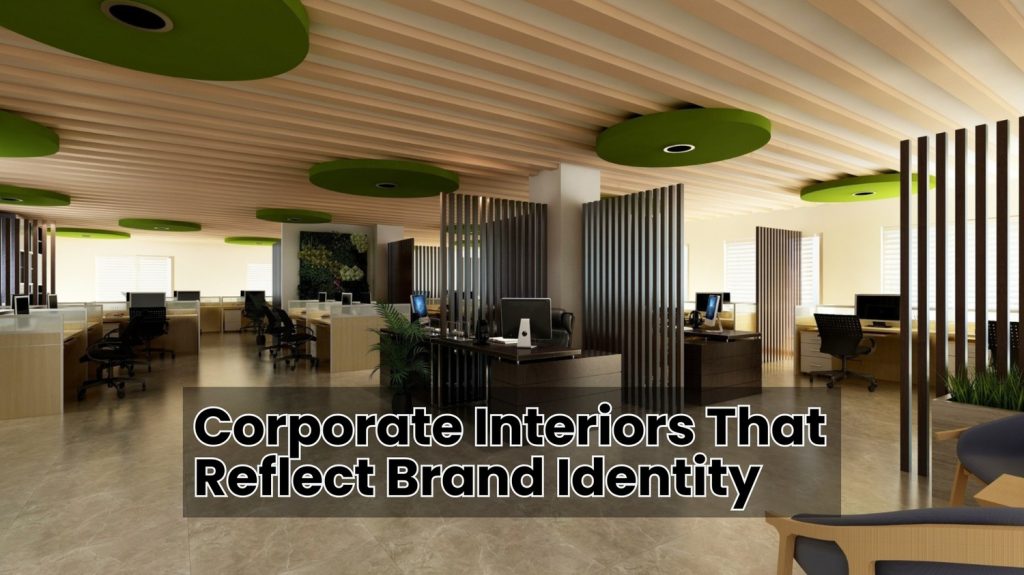
A company’s brand is much more than its logo, tagline, or marketing campaigns. It represents the values, culture, vision, and personality that distinguish the business from its competitors. While branding is often associated with digital and print communication, the physical workplace is equally important in shaping how people perceive an organization.
Corporate interiors are one of the first touchpoints employees, clients, investors, and business partners experience when they enter a workplace. Every design element—from the layout and lighting to furniture and finishes—communicates something about the company’s identity. A thoughtfully designed office creates confidence, strengthens credibility, and reinforces the message a business wants to share.
As organizations continue to invest in better workplaces, interior design has evolved beyond aesthetics. It has become a strategic tool for expressing brand identity while creating environments that support business growth, employee satisfaction, and lasting professional relationships.
Every Workplace Tells a Story
Before conversations begin or presentations are delivered, visitors naturally observe their surroundings. The appearance of an office often shapes first impressions within moments of arrival.
An organized and welcoming environment suggests professionalism and attention to detail, while an uninspiring workspace may leave a completely different impression. Elements such as the reception area, circulation paths, meeting rooms, and collaborative spaces silently communicate how an organization operates.
Unlike advertisements that directly promote a business, workplace design communicates through experience. Every visitor develops an understanding of the company simply by interacting with its environment.
Turning Brand Values into Physical Experiences
Every organization has principles that define its identity. Some businesses focus on innovation, while others emphasize trust, collaboration, precision, or creativity. These values should not remain limited to corporate presentations—they should be reflected throughout the workplace.
For instance, an organization that encourages teamwork may incorporate collaborative zones that encourage interaction. A company known for professionalism may prefer structured layouts with elegant finishes and sophisticated meeting spaces.
Businesses that value creativity often introduce flexible environments that inspire fresh thinking and open communication.
When workplace design reflects organizational values, employees and visitors experience the brand rather than simply hearing about it.
Interior Design Creates a Consistent Business Personality
Consistency is one of the strongest characteristics of successful brands. The same consistency should exist throughout a corporate environment.
Instead of creating isolated spaces with unrelated design styles, businesses should maintain a unified visual language across every department. Reception areas, workstations, conference rooms, executive offices, and breakout spaces should all contribute to a cohesive identity.
This consistency strengthens recognition and creates a seamless experience for everyone who interacts with the organization. A unified environment also reinforces professionalism by demonstrating thoughtful planning and organizational clarity.
Space Planning Shapes Business Perception
An effective office is not defined only by attractive furniture or decorative features. The way a workplace is organized has a direct influence on how people experience the business.
Well-planned layouts improve movement, encourage collaboration, and create environments that support daily operations without unnecessary interruptions. Every department should function efficiently while remaining connected to the overall workplace strategy.
When spaces are designed around the needs of the business rather than temporary trends, they become more productive and adaptable. Efficient planning also demonstrates that the organization values both employee comfort and operational excellence.
Colours, Materials, and Lighting Build Emotional Connections
Every design choice influences how people feel within a workplace. Colors can communicate confidence, creativity, energy, or stability depending on how they are applied. Neutral tones often create a professional atmosphere, while carefully selected accent colors introduce personality without overwhelming the environment.
Material selection also contributes to the overall character of the workplace. Natural textures create warmth and authenticity, while modern finishes project sophistication and innovation.
Lighting is equally important. Bright and balanced illumination improves visibility, enhances mood, and creates a welcoming atmosphere for employees and visitors alike. When these elements work together, they create an environment that naturally supports the company’s identity.
Employees Become Ambassadors of the Brand
A workplace should not only impress visitors but also create positive experiences for the people who use it every day. Employees spend a significant portion of their time within the office, making the environment an important factor in job satisfaction and workplace culture. Comfortable workstations, collaborative areas, quiet focus spaces, and thoughtfully designed common areas help employees perform more effectively.
When people feel supported by their surroundings, they are more likely to feel connected to the organization’s values. This positive experience often influences how they represent the company during client interactions and professional relationships.
A strong internal culture ultimately strengthens the external image of the brand.
Client Experiences Begin Before Business Discussions
Every client visit presents an opportunity to reinforce trust and credibility.
Reception areas create the initial impression, while meeting rooms provide spaces where important decisions and conversations take place. These environments should communicate professionalism without appearing overly formal or intimidating.
Comfortable seating, organized layouts, appropriate lighting, and consistent design details contribute to positive client experiences. Small details often influence how businesses are remembered long after meetings conclude. A well-designed workplace demonstrates that the organization values quality, preparation, and long-term relationships.
Authentic Design Creates Lasting Value
Many businesses are tempted to follow popular office trends simply because they appear modern or fashionable. While trends may provide inspiration, they should never become the primary reason behind design decisions.
The most successful workplaces are those that genuinely represent the organization rather than copying competitors or temporary industry preferences.
Authentic interiors remain relevant because they are built around business objectives, company culture, and operational requirements instead of short-lived design movements. Businesses that prioritize originality create environments that continue supporting their brand for many years.
Professional Expertise Brings Brand Vision to Life
Translating business values into physical environments requires careful planning and strategic thinking. Every design decision should contribute to a consistent workplace experience while balancing functionality, aesthetics, and future adaptability. Achieving this balance often requires specialized knowledge and practical experience.
Many organizations choose to work with experienced Chennai office interior decorators who understand how to transform business objectives into thoughtfully designed commercial environments. Their expertise helps ensure that every aspect of the workplace supports the organization’s identity while remaining practical for everyday operations.
Evaluating the Impact of Brand-Focused Workplaces
A successful corporate interior delivers measurable benefits beyond visual appeal.
Businesses often observe stronger employee engagement, improved workplace efficiency, enhanced visitor experiences, and greater consistency in brand perception. These outcomes contribute to stronger relationships with clients, better collaboration among teams, and increased confidence throughout the organization.
Regular feedback from employees and visitors can also provide valuable insights into how effectively the workplace reflects the company’s identity and supports its long-term goals.
Measuring these outcomes helps businesses continue improving their environments as organizational needs evolve.
Conclusion
Corporate interiors have become an essential part of modern branding. They influence first impressions, strengthen organizational culture, and communicate business values through every aspect of the workplace.
Rather than viewing interior design as a purely aesthetic investment, organizations should recognize its role in shaping experiences for employees, clients, and business partners. Every color, material, layout, and spatial decision contributes to the story a company tells about itself.
When workplace design reflects authentic brand identity, businesses create environments that inspire confidence, improve engagement, and support sustainable growth. A carefully designed corporate interior is not simply a place to work it is a powerful representation of everything the organization stands for.