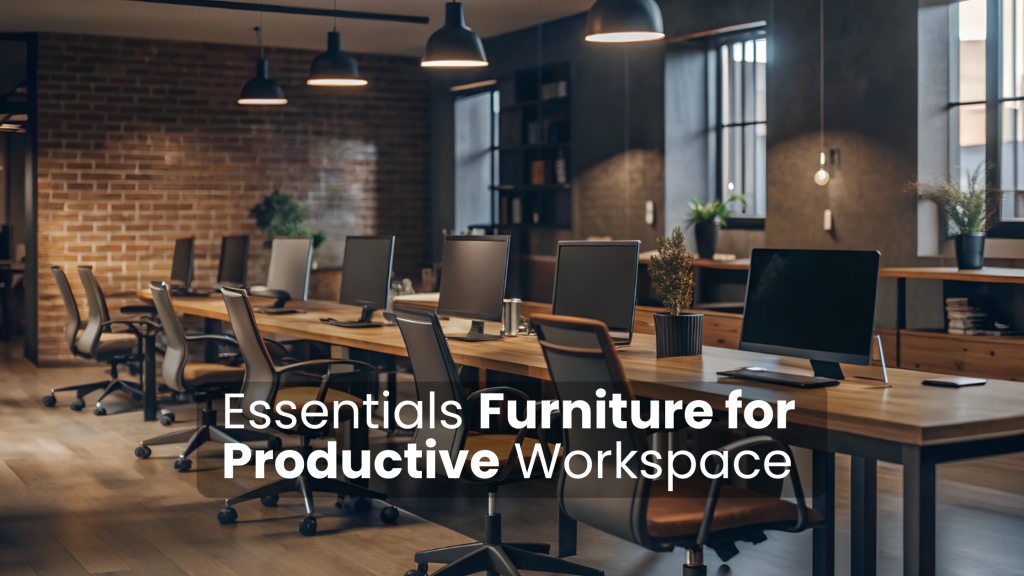
A productive workspace is more than just a place where employees complete their daily tasks. It is an environment that supports efficiency, encourages creativity, promotes collaboration, and contributes to overall business success. As organizations continue to adapt to evolving work styles, creating workplaces that enhance performance has become a priority across industries.
The physical environment plays a significant role in influencing how people think, communicate, and perform. Factors such as layout, comfort, lighting, and technology directly affect workplace experiences. This is why many organizations collaborate with experienced Office Interior decorators in chennai to develop environments that support both employee needs and business objectives.
Understanding the essential elements that contribute to a productive workspace can help businesses create environments that drive long-term success. Below are ten key components that every modern workplace should incorporate.
What Qualities Make a Workplace Productive?
A good workspace enables employees to carry out their duties efficiently while staying comfortable and engaged. It enables day-to-day operations, reduces distractions, and provides individuals with the resources needed to achieve their goals. When the design of the workplace fits the operational needs, employees are better able to focus, to communicate without barriers, and to contribute more to the growth of the organization. Productivity is not only a matter of management practices but also of the physical environment in which people work.
1. Effective Space Planning
The foundation of every successful workplace begins with thoughtful space planning. A well-organized layout ensures that employees can move comfortably throughout the workplace while accessing the resources they need without unnecessary interruptions.
Strategic planning helps allocate space according to operational requirements. Departments that frequently interact can be positioned closer together, while specialized functions can be placed in areas that support focused work.
An efficient arrangement also improves workflow, reduces congestion, and creates a more organized working environment.
2. Ergonomic Furniture
Employee comfort has a direct impact on workplace performance. Poor seating arrangements and unsuitable workstations can contribute to discomfort, fatigue, and reduced efficiency.
Ergonomic furniture is designed to support proper posture and minimize physical strain during extended work periods. Adjustable chairs, supportive desks, and well-designed workstation setups help employees remain comfortable throughout the day.
By prioritizing physical well-being, organizations can create environments that support sustained productivity while reducing workplace-related discomfort.
3. Proper Lighting Solutions
Lighting significantly influences concentration, mood, and overall workplace experience. Insufficient illumination can cause eye strain and fatigue, while excessive brightness may create discomfort.
Natural light is particularly beneficial as it helps maintain alertness and contributes to a more pleasant atmosphere. When natural daylight is limited, balanced artificial lighting can provide adequate visibility without creating harsh conditions.
A carefully planned lighting strategy supports employee performance while enhancing the overall workplace environment.
4. Optimized Acoustic Environment
Noise is one of the most common workplace distractions. Uncontrolled sound levels can interfere with concentration, disrupt communication, and negatively impact performance.
Creating an effective acoustic environment involves managing noise through thoughtful design solutions. Sound-absorbing materials, designated discussion areas, and strategic space allocation can help reduce unnecessary disturbances.
By addressing acoustic challenges, organizations can create workplaces that support both collaboration and focused work.
5. Functional Technology Integration
Technology plays a central role in modern business operations. Employees rely on digital tools for communication, project management, data access, and daily task execution.
A productive workspace should provide seamless access to technological resources. Reliable connectivity, integrated meeting solutions, and efficient digital infrastructure contribute to smoother workflows and improved collaboration.
When technology is incorporated effectively, employees can perform their responsibilities with greater efficiency and fewer disruptions.
6. Collaborative Work Zones
Teamwork remains an essential aspect of many organizations. Dedicated collaboration areas provide employees with spaces where they can exchange ideas, solve problems, and work together on shared objectives.
These environments encourage communication while fostering stronger professional relationships. Informal discussion areas, meeting rooms, and project-focused spaces support productive interactions across teams.
Providing suitable environments for collaboration helps organizations encourage innovation and improve overall workplace engagement.
7. Dedicated Focus Areas
While teamwork is important, employees also require spaces that support concentration and independent work. Certain tasks demand uninterrupted attention and minimal distractions.
Dedicated focus areas provide environments where individuals can complete complex assignments, analyze information, and make important decisions without interference.
Balancing collaborative spaces with quiet work zones allows organizations to accommodate different work styles and operational requirements.
8. Indoor Environmental Quality
Workplace conditions directly influence employee comfort and performance. Factors such as air quality, ventilation, and temperature control contribute significantly to the overall working experience.
Fresh air circulation helps maintain comfort and supports employee well-being throughout the day. Proper temperature regulation ensures that workplace conditions remain suitable regardless of seasonal changes.
A healthy indoor environment creates a more comfortable setting where employees can remain focused and productive.
9. Employee Wellness Features
Modern organizations increasingly recognize the importance of employee well-being. Workplace design can contribute significantly to both physical and mental wellness.
Features such as relaxation spaces, greenery, breakout areas, and wellness-focused amenities provide opportunities for employees to recharge during the workday. These elements help create a more balanced and supportive environment.
When employees feel valued and comfortable, they are more likely to remain engaged, motivated, and satisfied with their workplace experience.
10. Workplace Aesthetics and Brand Identity
The visual character of a workspace influences how employees and visitors perceive an organization. A thoughtfully designed environment can create a positive atmosphere while reinforcing organizational values.
Design elements such as materials, finishes, artwork, and color schemes contribute to the overall workplace experience. These features help create an environment that feels professional, welcoming, and inspiring.
Aligning workplace aesthetics with company values strengthens organizational identity and enhances the overall employee experience.
Benefits of Incorporating These Components
Organizations that invest in productive workplace environments often experience measurable improvements across multiple areas.
A well-designed workspace can enhance employee performance by reducing distractions and supporting efficient workflows.
Improved comfort contributes to greater workplace satisfaction, while collaborative environments encourage stronger teamwork.
Additionally, thoughtful workplace planning helps optimize operational efficiency and creates a more positive organizational culture. Together, these benefits contribute to long-term business success.
Conclusion
Creating a productive workspace requires careful consideration of multiple factors that influence employee performance and workplace experience. From effective space planning and ergonomic furniture to technology integration and wellness-focused features, every component contributes to overall organizational success.
Businesses that invest in thoughtful workplace design create environments that support efficiency, collaboration, and employee satisfaction. By incorporating these ten essential components, organizations can build workplaces that not only meet current operational needs but also support future growth and long-term success.