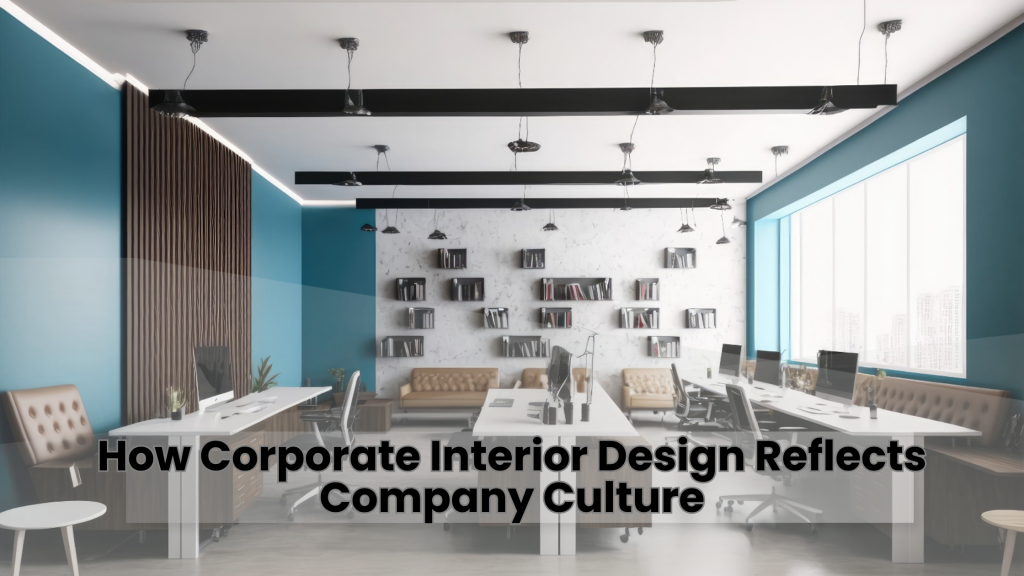
Company culture is often described as the personality of an organization. It influences how employees work, communicate, make decisions, and contribute to shared goals. While mission statements and workplace policies help define culture, the physical environment also plays an important role in shaping how those values are experienced every day.
The design of a corporate workplace is more than a collection of desks, meeting rooms, and decorative elements. It serves as a reflection of what a business stands for and how it wants employees, clients, and visitors to perceive the organization. This is why many businesses collaborate with Office interiors decorators to create environments that visually communicate their identity and support their workplace values.
A thoughtfully designed corporate space can reinforce organizational principles, encourage positive behaviors, and create a stronger connection between people and the company they work for.
What Is Company Culture?
Company culture refers to the collective values, beliefs, attitudes, and behaviors that define how an organization operates. It influences everything from leadership styles and communication practices to employee relationships and decision-making processes.
Every organization develops its own culture over time. Some businesses prioritize innovation and creativity, while others focus on structure, accountability, or customer service excellence. Culture helps employees understand what is expected of them and creates a sense of direction across the organization.
A strong workplace culture provides consistency and helps employees feel connected to a larger purpose. However, culture becomes truly effective when it is reflected in both actions and the environment where those actions take place.
The Connection Between Corporate Interior Design and Company Culture
There is a strong connection between corporate interior design and company culture because the workplace environment affects how employees perceive their everyday tasks. When people walk into an office, they are judging what they see immediately. The layout, atmosphere and design overall send messages about how the organization works and what it values.
An open, interactive workspace may mean collaboration and teamwork. A culture that prizes individual skill and concentration may be reflected in an environment that stresses privacy and focus. These visual cues help to reinforce organizational identity without the need for formal explanations. This makes corporate interior design a powerful expression of culture in a tangible and meaningful way.
Ways Corporate Interior Design Reflects Company Culture
Demonstrates Organizational Values
Every company has guiding principles that influence how it operates. Corporate interiors can translate those principles into physical experiences.
For example, an organization that values transparency may create spaces that encourage visibility and interaction. A business focused on innovation may develop dynamic environments that inspire creativity and experimentation.
When workplace design aligns with organizational values, employees gain a clearer understanding of what the company represents.
Reinforces Brand Identity
A company’s brand is not limited to its logo, website, or marketing materials. The workplace itself can contribute to a consistent brand experience.
Design choices such as materials, visual themes, architectural elements, and overall ambiance help communicate the organization’s identity. These details create a sense of continuity between the company’s external image and its internal environment.
Visitors and employees are more likely to develop a strong perception of the organization when the physical space reflects its unique character.
Encourages Desired Workplace Behaviors
Workplace environments influence how people interact throughout the day. Corporate interior design can support behaviors that align with organizational goals.
Businesses that value teamwork may create environments that encourage spontaneous conversations and group discussions. Organizations that prioritize concentration may provide dedicated areas that support focused work.
The physical setting helps guide employee behavior by creating spaces that naturally support the way people are expected to work.
Reflects Leadership Philosophy
Leadership has a significant impact on workplace culture, and this influence is often visible in the design of corporate environments.
Organizations with approachable leadership structures may create welcoming spaces that promote accessibility and communication. Companies that emphasize professionalism and precision may prefer environments that reflect order and consistency.
The workplace often serves as an extension of leadership priorities, helping employees understand how the organization operates.
Supports Employee Experience
Employees are at the center of every successful organization. Corporate interiors that prioritize comfort, convenience, and functionality demonstrate a commitment to creating positive workplace experiences.
When employees feel supported by their surroundings, they are more likely to remain engaged and motivated. A workplace that reflects employee needs sends a clear message that their well-being is valued. This connection between design and employee experience strengthens workplace culture over time.
Promotes Inclusivity and Belonging
An inclusive environment helps individuals feel respected and welcomed regardless of their role or background.
Corporate spaces that accommodate diverse working styles and individual needs contribute to a stronger sense of belonging. When employees feel comfortable within their workplace, they are more likely to participate, collaborate, and contribute confidently. Inclusive design reflects a culture that values people and encourages equal opportunities for success.
How Employees Perceive Culture Through Workplace Design
Sense of Purpose
Employees often develop a stronger connection to their work when their environment reflects organizational goals and values. The workplace becomes a reminder of the company’s mission and direction.
Feeling Connected to the Organization
A thoughtfully designed environment helps employees understand their place within the organization. This connection can strengthen loyalty and encourage long-term commitment.
Improved Workplace Satisfaction
People naturally respond to environments that support their daily activities. When the workplace aligns with employee needs, overall satisfaction often improves.
Stronger Engagement and Motivation
Employees who feel connected to the organization’s culture are more likely to remain engaged. Workplace environments that reinforce positive values can contribute to higher levels of motivation and participation.
Why Culture-Aligned Corporate Interiors Matter
Organizations benefit significantly when workplace design reflects their culture.
Employees gain a clearer understanding of company values, making it easier to align their actions with organizational expectations. This consistency creates a stronger sense of unity throughout the business.
Culture-driven environments also support talent attraction and retention. Prospective employees often evaluate workplace environments as part of their decision-making process. A well-designed corporate setting can leave a lasting impression and demonstrate the organization’s commitment to its people.
In addition, clients and business partners often view workplace design as a reflection of professionalism and credibility. A culture-aligned environment helps create confidence and trust.
Common Mistakes That Disconnect Design from Culture
One of the most common mistakes organizations make is adopting workplace trends without considering whether they align with company values.
Another challenge occurs when workplace environments are designed without employee input. This can create spaces that look appealing but fail to support everyday activities.
Some organizations also focus heavily on visual appeal while overlooking how the environment influences employee experiences. When workplace design and organizational values are not aligned, employees may receive mixed messages about company priorities. Avoiding these mistakes helps create environments that genuinely reflect workplace culture rather than simply following design trends.
Creating Corporate Spaces That Reflect Culture Effectively
Developing a culture-driven workplace begins with understanding the organization’s values and long-term objectives.
Businesses should evaluate how employees work, communicate, and collaborate before making design decisions. Involving team members throughout the planning process can provide valuable insights into workplace needs and expectations.
Consistency is also important. Every area of the workplace should contribute to a unified experience that reflects organizational identity. Regular reviews can help ensure the environment continues to support cultural goals as the business evolves.
When workplace design is approached strategically, it becomes a valuable tool for strengthening culture and improving employee experiences.
Conclusion
Corporate interior design plays a significant role in bringing company culture to life. While values and mission statements provide direction, workplace environments allow employees to experience those values in a practical and meaningful way.
From supporting collaboration and inclusivity to reinforcing organizational identity, corporate interiors influence how people perceive and engage with the company every day. A workplace that reflects culture creates stronger connections between employees and the organization while supporting long-term business success. As organizations continue to evolve, creating environments that align with cultural values will remain an important part of building engaged teams, positive workplace experiences, and a strong organizational identity.