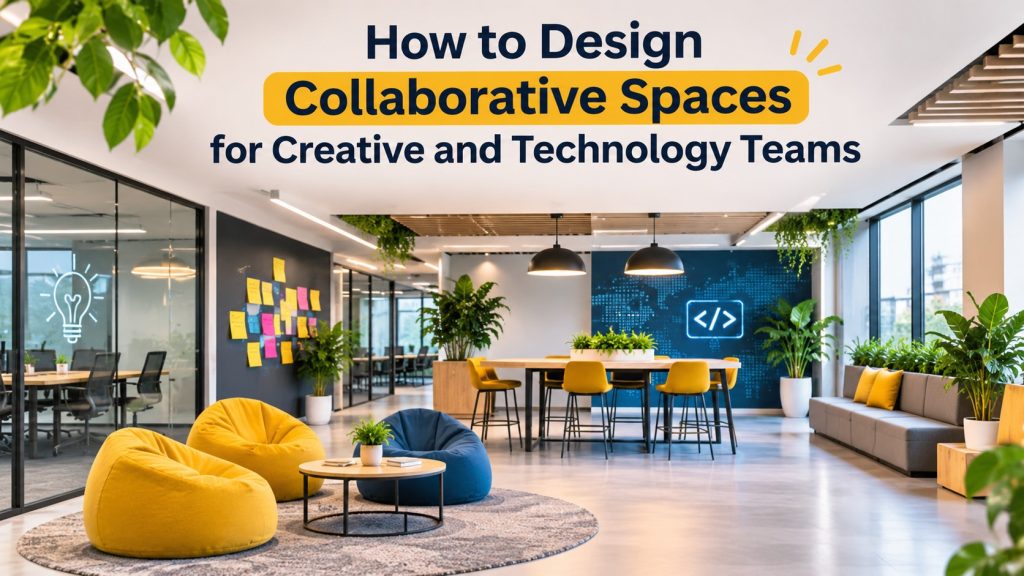
A workplace is more than a place where employees sit and complete their daily tasks. For creative and technology teams, it is an environment where ideas are discussed, problems are solved and projects take shape. Designers may need space to explore concepts, while developers and technical professionals often require quiet surroundings to concentrate. Bringing these different working styles together requires thoughtful planning.
A well-designed collaborative environment should make communication easier without interrupting individual productivity. From brainstorming areas to flexible workstations, every part of the workspace should support the way teams actually work.
Understanding the Working Habits of Different Teams
Before deciding on furniture or layouts, it is important to understand the daily activities of the people using the workplace. Creative teams may spend time discussing concepts, reviewing designs and presenting ideas. Technology teams, on the other hand, may need uninterrupted time for coding, testing and solving technical problems.
A single layout may not work equally well for everyone. Businesses should identify which activities require group participation and which are better suited to individual work. Understanding these requirements helps determine the right balance between shared areas, meeting rooms and personal workstations.
Making Room for Ideas and Open Discussions
Creative discussions often happen when people have the freedom to exchange thoughts without formal meeting arrangements. A dedicated brainstorming area can encourage this kind of interaction.
Consider adding writable walls, whiteboards, presentation screens and comfortable seating arrangements. These features allow team members to sketch ideas, organise thoughts and discuss project developments in one place.
Movable furniture can make these areas more useful by allowing employees to rearrange seating according to the size and nature of a discussion. Keeping these spaces accessible also makes it easier for teams to hold quick discussions without occupying formal meeting rooms.
Flexible Workstations That Adapt to Changing Needs
Not every task requires the same type of workspace. Employees may move between individual assignments, group discussions and project reviews throughout the day. Flexible workstations make these transitions easier.
Modular desks, shared tables and movable furniture allow businesses to adjust their layouts as team requirements change. For smaller workplaces, small office interior decorators in chennai can help plan practical arrangements that accommodate different activities while making effective use of available space.
The goal is to create a layout where employees can work comfortably without unnecessary movement or overcrowding. Proper spacing between desks and clear walking paths also contribute to a more organised environment.
Bringing Technology into Everyday Collaboration
Technology is an essential part of how creative and technical teams communicate and complete their work. Meeting spaces should be equipped to support presentations, virtual discussions and project reviews.
Interactive displays, video conferencing equipment and easily accessible power outlets can make collaboration more convenient. Proper placement of screens and equipment also ensures that everyone can participate comfortably during discussions.
Businesses should consider connectivity requirements during the planning stage itself. This avoids the inconvenience of adding cables, sockets and equipment after the workspace is ready.
Finding the Right Balance Between Interaction and Concentration
While open spaces encourage communication, constant conversations can become distracting for employees who need to concentrate. This is particularly relevant for professionals working on detailed designs, programming tasks or technical documentation.
Creating separate quiet zones helps employees focus without completely disconnecting them from the rest of the team. Acoustic panels, privacy partitions and enclosed work areas can help reduce unnecessary noise.
The aim is not to separate employees but to provide different environments based on the task at hand. When both collaborative and quiet spaces are available, employees can choose the setting that suits their work.
Creating an Environment That Inspires Creativity
The overall atmosphere of a workplace can influence how comfortable employees feel throughout the day. Natural lighting, suitable artificial lights and proper ventilation help create a pleasant working environment.
Furniture should be selected based on comfort and everyday usability rather than appearance alone. Ergonomic chairs, practical desk heights and comfortable seating in shared areas can make a noticeable difference.
Colours, textures and visual elements can also add character to the space. A thoughtful combination of materials and finishes helps create an inviting environment without making the workplace visually overwhelming.
Conclusion
Designing collaborative spaces for creative and technology teams requires a clear understanding of how people communicate, concentrate and complete their work. A combination of flexible workstations, dedicated discussion areas, suitable technology and quiet zones can create a workplace that supports different professional needs.
With experience in planning and executing functional workplace environments, Ensileta provides professional interior design and turnkey solutions tailored to business requirements. The right approach to workspace planning can help businesses create an environment where ideas develop naturally, teams work effectively and productivity grows.