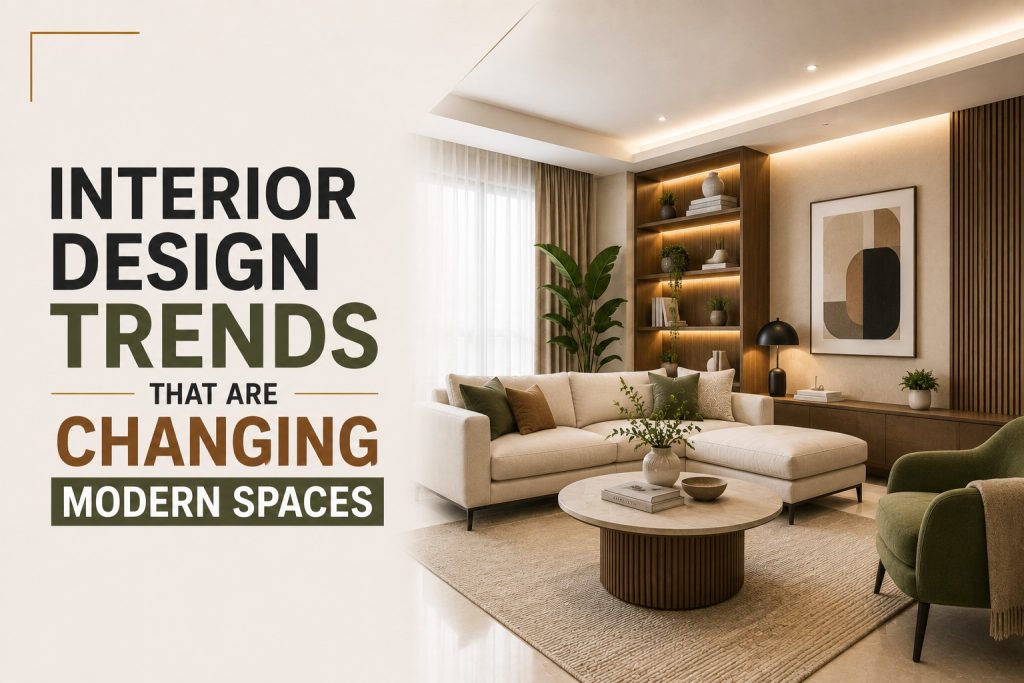
Interior design is no longer defined solely by appearance. People’s use of space is changing, and design is evolving to match. Comfort, flexibility, technology, sustainability, and personal identity are becoming equally important as visual appeal. This shift has prompted designers to consider interiors as environments that must support real activities while remaining welcoming and relevant. A Best Budget Office. Interior designers in Chennai can help translate these shifting expectations into practical design decisions that do not overshadow the space’s purpose.
Warm Minimalism Is Replacing Cold Minimalism
Minimalism continues to influence contemporary design, but its character is changing. Extremely plain spaces with hard surfaces and little visual variation are gradually giving way to warmer interpretations.
Soft neutral shades, natural-looking textures, comfortable furniture and subtle decorative elements can create a cleaner environment without making it feel empty. The idea is to retain simplicity while introducing enough warmth to make the space feel approachable.
This approach works particularly well when the goal is to create an interior that looks refined but still feels comfortable and lived-in.
Natural Elements Are Becoming Part of Modern Interiors
The connection between indoor and outdoor environments is becoming increasingly important. Natural light, plants, organic textures and materials inspired by nature can introduce a sense of freshness into contemporary spaces.
These elements do not need to dominate the design. A few carefully considered touches can soften a structured environment and create visual variety. Daylight can also influence how colours and surfaces are perceived throughout the day.
The growing interest in natural elements reflects a broader preference for interiors that feel less artificial and more conne
Flexible Spaces Are Designed to Do More
Modern spaces often need to accommodate changing requirements. Instead of assigning one permanent purpose to every area, designers are increasingly considering how a space can support different activities.
Movable furniture, adaptable arrangements and multifunctional zones can make an environment easier to modify when circumstances change. This is particularly useful when the number of users, working patterns or activities within a space are likely to evolve. Flexibility does not mean leaving everything undefined. It means creating enough freedom within the layout to make future adjustments without starting from scratch.
Technology Is Becoming Less Visible
Technology has become an essential part of many modern environments, but its physical presence is becoming less noticeable. Instead of exposed cables and equipment dominating the surroundings, technology is increasingly integrated into the design.
Concealed wiring, integrated controls, technology-ready furniture and thoughtfully positioned power points can help maintain a cleaner appearance. Lighting and other systems can also be designed around how people interact with the space. The goal is not to fill an interior with technology. It is to make useful technology feel like a natural part of the environment.
Sustainability Is Influencing Design Decisions
Sustainable thinking is also changing the way interiors are approached. Rather than focusing only on environmentally conscious materials, modern design increasingly considers how long products will remain useful and how much maintenance they require.
Durable materials, responsible sourcing, reduced wastage and solutions that can remain functional for longer periods can all contribute to a more considered project. Reusing suitable existing elements can also reduce unnecessary replacement.
This approach encourages people to look beyond immediate appearance and consider the wider lifecycle of their design choices.
Personalisation Is Making Spaces More Meaningful
There is growing interest in interiors that have a distinct identity rather than following a standard template. Colour palettes, artwork, textures, graphics and customised elements can help communicate the character of a particular environment.
However, personalisation works best when it is selective. Adding too many visual elements can make a space feel busy and reduce its sense of cohesion. The strongest personalised interiors usually have a clear design direction, with individual details supporting the overall identity rather than competing for attention.
Choosing Trends That Will Stay Relevant
Following every new trend is rarely the best approach. A design that looks current today may quickly feel dated if it has been built entirely around short-lived styles.
A better strategy is to identify ideas that genuinely suit the space, its users and its long-term requirements. Budget, maintenance, functionality and the existing architectural character should all be considered before adopting a particular design direction.
The best budget office Interior designers in Chennai can help assess which contemporary ideas add meaningful value and which are better treated as temporary influences.
Wellness and Comfort Are Becoming Design Priorities
Comfort is becoming a more deliberate part of interior planning. Furniture, lighting, acoustics, ventilation, air quality, and access to daylight can all influence how people experience a space over extended periods.
A visually attractive environment may lose its appeal if it is noisy, uncomfortable, or poorly illuminated. Modern design therefore considers the conditions that help people feel at ease while carrying out their everyday activities. This broader view of wellbeing is helping interiors become more responsive to the people who occupy them.
Conclusion
The most useful interior trends are not simply those that look impressive in photographs. They reflect changing expectations around comfort, adaptability, technology, sustainability, and personal expression. When these ideas are applied thoughtfully, they can make spaces more practical while giving them a stronger sense of character.
For environments such as Epix Entertainment, where atmosphere and user experience are closely connected, thoughtful design can make a particularly strong difference. Ultimately, the best modern interiors are not defined by how many trends they contain, but by how naturally every element works together.