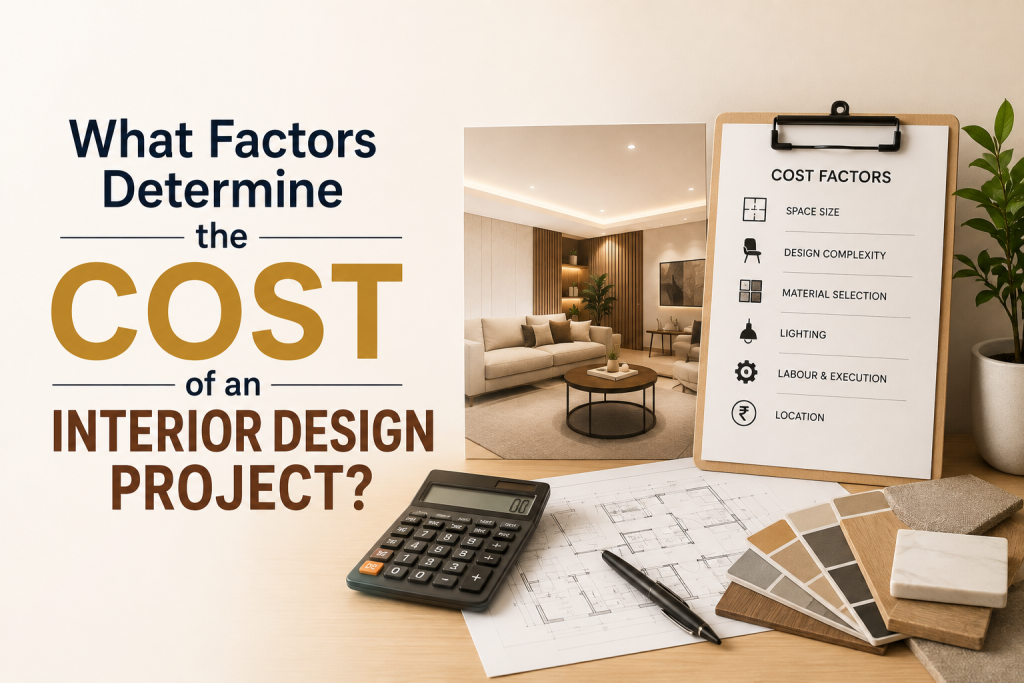
One of the first questions people ask before starting an interior project is, “How much will it cost?” The answer is rarely a single number. The final investment depends on the size and condition of the space, the level of customisation, selected materials, technical requirements and the complexity of the work involved. For a commercial office interior designer in chennai, understanding these variables is essential when developing a realistic proposal. For clients, knowing what influences the cost makes it easier to set priorities and make informed decisions.
Size and Existing Condition of the Space
The overall area naturally affects the quantity of materials, furniture and work required. However, two spaces with the same floor area can have very different budgets.
An empty shell may require extensive work before it is ready for use, while an existing space may already have usable flooring, electrical points or other elements. On the other hand, an older property may require removal, repairs, surface preparation or modifications before new work can begin.
This is why the actual condition of the site needs to be assessed instead of relying only on its measurements.
Design Complexity and Level of Customisation
The design approach also has a direct influence on the investment. A straightforward layout with standard elements generally requires less specialised work than a highly customised environment.
Unique furniture, detailed partitions, feature ceilings, decorative wall treatments and specially designed architectural elements can increase both material and labour requirements. Complex details may also require additional design development and skilled installation.
Customisation can certainly add character to a space, but it should be considered alongside the available budget and the practical value it brings.
Material Selection and Finish Quality
Materials form a substantial part of any interior project, and the options available today cover a wide range of price points. Flooring, furniture surfaces, ceilings, wall finishes, hardware and other components can all influence the final figure.
However, price should not be the only consideration. Durability, maintenance, appearance, availability and suitability for the intended environment also matter. A material that looks attractive but requires frequent replacement may not provide the best value over time. Choosing materials based on how the space will actually be used can help create a better balance between appearance, performance and investment.
Electrical, HVAC and Other Technical Requirements
Interior design extends well beyond visible finishes. The technical infrastructure required within a space can have a significant effect on the overall budget.
Electrical modifications, lighting, HVAC requirements, networking provisions and safety-related systems may require specialised planning and installation. Their complexity can vary depending on the existing infrastructure and the intended use of the space.
These systems also need to work alongside the visual design. For example, lighting positions, air-conditioning components and electrical points may need to be coordinated with ceilings, furniture and partitions to achieve a clean result.
Site Conditions and Project Complexity
The location and condition of a site can introduce additional challenges. Limited access, multiple floors, restricted working hours, difficult material movement or building-specific rules can affect the effort required to complete the work.
Existing structural conditions can also influence what is possible. A design that appears simple may require additional preparation if the site has limitations that were not visible during the initial discussion.
Understanding these conditions early helps create a budget that reflects the actual circumstances of the project rather than an idealised estimate.
Quality, Workmanship and Long-Term Maintenance
The final cost is also influenced by how the work is carried out. Skilled workmanship, proper installation and attention to finishing details contribute to the quality and longevity of an interior.
Choosing the lowest initial price may seem attractive, but a cheaper solution can become expensive if it results in frequent repairs, premature replacement or poor performance. A more useful approach is to consider the expected lifespan, maintenance requirements and overall value of each major decision.
How to Build a More Realistic Interior Budget
A practical budget starts with clear priorities. Before requesting quotations, it helps to identify which elements are essential, which features are desirable and where there is room for adjustment.
The scope should be clearly defined so that proposals can be compared on the same basis. Instead of looking only at the final figure, clients should review the specifications, materials, inclusions and workmanship covered by each proposal
Working with an experienced commercial office interior decorators in Chennai can also help identify cost drivers early and suggest alternatives where necessary. This allows the budget to be shaped around actual requirements rather than making major changes after work has already begun.
Conclusion
The cost of an interior design project is shaped by a combination of physical conditions, design choices, materials, technical systems, workmanship and long-term requirements. Understanding these factors before committing to a project can make budgeting more transparent and reduce unpleasant surprises later.
The goal should not simply be to find the lowest possible price but to achieve the right balance between investment, quality, functionality and durability. This approach becomes especially important for distinctive environments such as Epix Entertainment, where the finished interior needs to deliver both practical performance and a memorable experience.