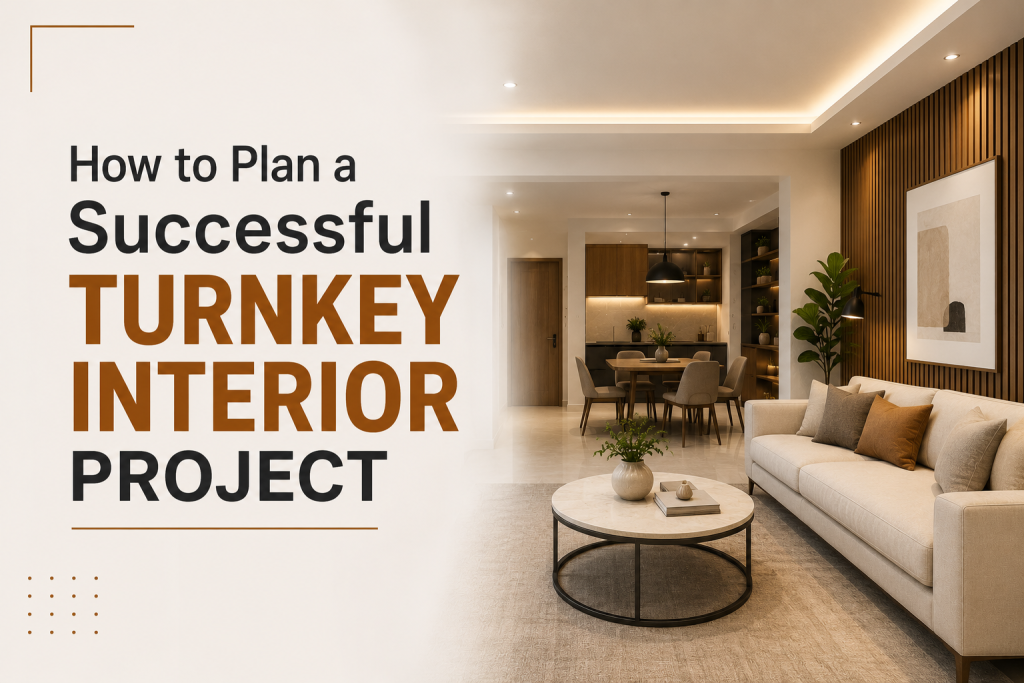
A successful turnkey interior project is not achieved by design alone. It requires careful planning, clear decisions and coordination from the initial discussion through to final handover. Since multiple activities are handled as part of one project, even a small gap in planning can affect the schedule, budget or finished result. Working with an experienced commercial office interior designer in Chennai can help bring these different requirements together under a structured approach, allowing the project to progress with greater clarity.
Start With a Clear Project Brief
Before any design work begins, it is important to establish what the project actually needs to achieve. The purpose of the space, number of users, required facilities, preferred timeline and available budget should be discussed at the outset.
Existing site conditions also need to be understood. Measurements, structural limitations, access points and other practical factors can influence later decisions. A well-prepared brief gives everyone involved a common understanding of the project’s expectations and provides a useful reference throughout the work.
Define the Scope Before Work Begins
A turnkey project may involve several different activities, so the scope should be clearly documented before execution starts. Design development, civil work, furniture, electrical systems, flooring, ceilings, finishes and other requirements should be identified according to the project’s needs.
It is equally important to clarify what is not included. Clear inclusions, exclusions and deliverables reduce the possibility of misunderstandings when the work is underway. They also make it easier to assess changes if requirements evolve during the project.
Design Around How the Space Will Be Used
Once the requirements are established, the design should respond to the way people will actually use the space. A good layout considers movement, functional zones, furniture placement, storage and accessibility rather than focusing only on visual appeal.
For example, areas that require privacy should be positioned appropriately, while frequently used spaces should remain convenient to access. Lighting, finishes and visual elements can then be incorporated around this foundation. The result should feel cohesive while still supporting everyday activities.
Finalise Materials and Specifications Early
Material selection is another decision that should not be left until execution is underway. The right choices depend on factors such as durability, maintenance, appearance, availability and the conditions in which the materials will be used.
Specifications should be agreed upon before procurement wherever possible. Reviewing samples and finishes in advance can also help avoid differences between the intended design and the final installation. Early decisions provide greater consistency and make procurement easier to manage.
Build a Practical Execution Schedule
A realistic timeline should account for more than the time required to complete work at the site. Procurement, material availability, preparation, installation and coordination between different teams can all influence the schedule.
Breaking the project into clear stages makes progress easier to monitor. Certain activities may also depend on the completion of earlier work, so the sequence needs to be carefully planned. Allowing reasonable contingency for unexpected site conditions can prevent minor issues from becoming major delays.
Keep Design, Procurement and Site Teams Aligned
One of the advantages of a turnkey approach is having different project activities coordinated through a unified process. However, this only works when communication remains consistent.
Design changes need to reach the relevant teams, procurement must follow approved specifications, and site execution should be checked against the agreed plans. Regular reviews can identify deviations while they are still manageable. This is far more effective than discovering problems when several stages of work have already been completed.
Prepare for Handover in Advance
Handover should not be treated as something that begins on the final day. As the project approaches completion, the team should conduct detailed inspections and identify any unfinished or defective work.
Relevant systems should be checked, finishes reviewed and outstanding corrections completed before the final walkthrough. Necessary documentation should also be organised so that the client receives a finished space along with the information required for its continued use and maintenance.
Conclusion
A well-executed turnkey interior project is the result of many connected decisions rather than one single design idea. Defining the requirements, establishing the scope, planning the layout, finalising specifications and maintaining coordination throughout execution can create a much smoother project journey. An experienced commercial office interior decorators in Chennai can bring these stages together while keeping practical requirements in focus. This structured approach is equally valuable for distinctive environments such as Epix Entertainment, where design, functionality and execution need to work together to create the intended experience.