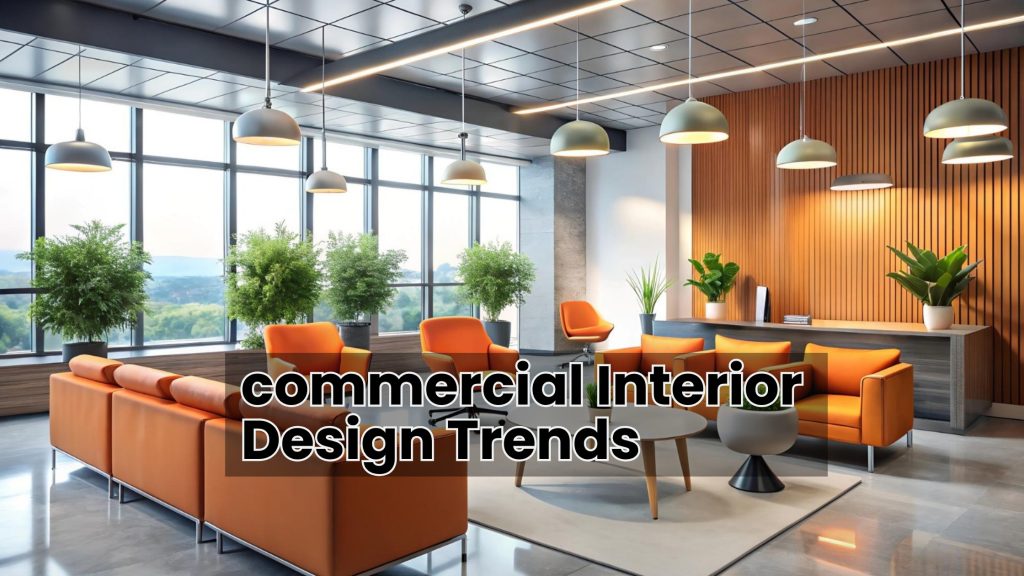
Commercial spaces are evolving beyond conventional layouts designed around desks, cabins, and meeting rooms. Today, businesses expect their workplaces to support changing work patterns, represent their brand, and provide a better experience for employees and visitors. As a result, interior design is becoming more closely connected with the way organizations operate.
The latest commercial design trends focus less on decoration alone and more on creating environments that are adaptable, efficient, and purposeful. From flexible planning to technology integration, several developments are changing how businesses approach their interior spaces.
Designing Around Different Work Styles
A successful workplace begins with understanding how people use it. Employees may spend part of their day concentrating individually, collaborating with colleagues, attending meetings or having informal discussions. A single type of workspace cannot effectively accommodate all these activities.
Modern commercial planning therefore incorporates dedicated areas for focused tasks, teamwork, discussions and meetings. This creates a more balanced environment where employees can move between spaces according to the requirements of their work.
Experienced commercial office interior decorators in Chennai can translate these operational requirements into layouts that make effective use of available space while maintaining comfortable movement throughout the workplace.
Flexible Planning for Changing Business Needs
Businesses can change considerably over time. Departments may expand, teams may be reorganised and working patterns may evolve. Commercial interiors therefore need to accommodate change rather than remain permanently fixed.
Movable partitions, modular furniture and adaptable workstations provide greater flexibility than rigid layouts. Areas can be reorganised when necessary without undertaking extensive structural changes. This approach is particularly valuable for growing organisations because the interior can evolve alongside the business instead of becoming a limitation.
Technology Integrated Into the Workplace
Technology has become an essential part of everyday business operations, making its integration an important aspect of contemporary interior planning.
Meeting rooms may require video-conferencing equipment, presentation systems and suitable connectivity, while work areas need convenient access to power and charging facilities. Cable management is equally important for maintaining an organised appearance. Planning these requirements alongside the interior layout helps avoid unnecessary modifications later and allows technology to blend naturally into the workplace.
Bringing Nature Into Commercial Interiors
Natural elements are increasingly being incorporated into commercial environments to create a more welcoming atmosphere. Daylight, indoor plants, natural textures and warm finishes can soften the appearance of an otherwise highly functional workplace.
Large windows and carefully planned lighting can also improve the visual character of interiors during different times of the
The objective is not to turn an office into a residential setting, but to create a balanced environment that feels comfortable and visually engaging.
Making Brand Identity Part of the Interior
A company’s physical environment can communicate its identity before a conversation even begins. Reception areas, meeting rooms, and shared spaces can all contribute to how clients, employees, and business partners perceive an organisation.
Instead of relying heavily on logos, designers are incorporating brand colours, customized finishes, graphics, materials, and furniture into the overall concept. These details can create a consistent visual identity while keeping the workplace sophisticated. A well-integrated approach ensures that branding becomes part of the environment rather than appearing as an additional decorative layer.
Sustainable Choices With Long-Term Value
Sustainability is also influencing commercial interior decisions. Businesses are becoming more conscious of how materials, lighting, and construction choices affect long-term maintenance and resource consumption.
Durable finishes can reduce the need for frequent replacement, while energy-efficient lighting can support more responsible operation. Selecting materials based on performance and longevity can also provide better value over the lifespan of the interior. Rather than treating sustainability as a separate feature, businesses can incorporate responsible choices into the overall design strategy.
Creating Purpose-Specific Zones
Another important development is the creation of distinct zones within a single commercial environment. Instead of assigning one function to an entire floor, different areas can serve different purposes.
A workplace might include quiet zones for concentrated tasks, collaborative areas for team discussions, informal spaces for quick interactions and dedicated client-facing rooms for formal meetings.
Careful zoning helps employees select an environment appropriate to their activity while ensuring that available floor space is used efficiently. It also creates a clearer sense of organisation throughout the workplace.
Selecting Trends Based on Business Requirements
Following every popular design trend is not necessarily the best approach for a commercial project. A visually impressive concept may not work if it conflicts with the company’s workflow, staffing requirements, or available space.
Businesses should therefore evaluate design trends based on how well they support everyday operations and future growth. Commercial office interior decorators in Chennai can help businesses assess these requirements and develop solutions that balance appearance, functionality and practical usability.
Conclusion
Commercial interiors are moving towards spaces that are adaptable, technology-ready, purposeful and closely connected with the identity of the organisation. The most effective designs do not simply follow current trends; they select ideas that provide lasting value and support the way a business actually works. With experience in developing practical and contemporary commercial environments, Ensileta brings together design thinking and functional planning to create spaces that are prepared for the changing needs of modern businesses.